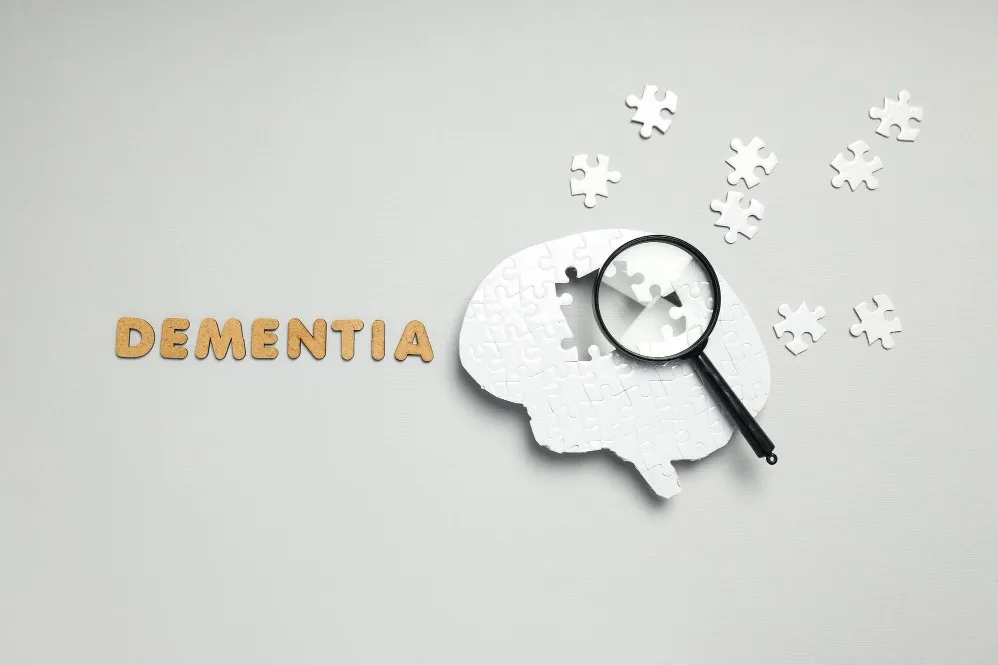
Forgetting where you placed your keys or occasionally missing an appointment is a normal part of life. However, when memory problems become frequent, interfere with daily activities, or are accompanied by changes in thinking and behaviour, they may indicate something more significant. Dementia is not a normal part of aging. It is a group of conditions that affect memory, reasoning, communication, and the ability to perform everyday tasks.
Recognising the early signs of dementia allows individuals and families to seek medical evaluation sooner, helping identify the cause and begin appropriate management. Although some forms of dementia cannot be cured, early diagnosis can improve symptom management, support better planning, and enhance quality of life.
What Is Dementia?
Dementia is an umbrella term for a decline in cognitive function severe enough to affect a person's daily life. It develops when brain cells become damaged, making it difficult for different areas of the brain to communicate effectively.
Several conditions can cause dementia, including:
- Alzheimer's disease
- Vascular dementia
- Lewy body dementia
- Frontotemporal dementia
- Mixed dementia
In some cases, memory problems may be caused by treatable conditions such as vitamin deficiencies, thyroid disorders, medication side effects, depression, or infections. This is why a proper neurological evaluation is essential before reaching a diagnosis.
Common Early Signs of Dementia
The symptoms often develop gradually and may initially be mistaken for normal aging. However, persistent changes that interfere with routine activities should not be overlooked.
Some of the most common early signs include:
- Frequently forgetting recent conversations or events
- Asking the same questions repeatedly
- Difficulty remembering appointments
- Misplacing everyday objects and being unable to retrace steps
- Trouble following conversations
- Difficulty finding the right words
- Becoming confused about dates or familiar places
- Problems managing finances or household tasks
- Reduced ability to plan or solve simple problems
These symptoms tend to become more noticeable over time rather than improving.
Changes Beyond Memory
Dementia affects more than just memory. Family members are often the first to notice subtle changes in personality, behaviour, or decision-making.
These changes may include:
- Increased irritability
- Withdrawal from social activities
- Reduced interest in hobbies
- Poor judgement
- Mood changes
- Anxiety or depression
- Difficulty adapting to new situations
Because these behavioural changes can appear before significant memory loss, they should also be discussed with a neurologist.
How Dementia Is Diagnosed
There is no single test that confirms dementia. Diagnosis involves combining clinical assessment with appropriate investigations to identify the underlying cause.
A neurologist usually performs:
- A detailed medical history
- Cognitive assessment
- Neurological examination
- Review of medications
- Assessment of daily functioning
- Discussion with family members or caregivers
Depending on the findings, further investigations may include:
- MRI or CT scan of the brain
- Blood investigations
- Cognitive function tests
- Neuropsychological assessment when required
These evaluations help distinguish dementia from other medical conditions that may cause similar symptoms.
Can Dementia Be Treated?
Although many forms of dementia cannot currently be cured, treatment focuses on improving quality of life, slowing symptom progression where possible, and supporting both patients and caregivers.
Management may include:
- Medications for cognitive symptoms
- Treatment of underlying medical conditions
- Memory-support strategies
- Cognitive stimulation activities
- Physical exercise
- Management of sleep disturbances
- Nutritional guidance
- Caregiver education and support
An individualised care plan allows patients to maintain independence for as long as possible.
When Should You Consult a Neurologist?
Many families wait until symptoms become severe before seeking help. However, early evaluation offers several advantages, including identifying reversible causes and beginning appropriate management sooner.
It is advisable to consult a neurologist if someone experiences:
- Progressive memory loss
- Difficulty performing familiar tasks
- Confusion in familiar surroundings
- Changes in judgement or decision-making
- Problems with language or communication
- Personality or behavioural changes
- Difficulty recognising familiar people or places
Family members should also seek medical advice if they notice gradual cognitive decline that the individual may not recognise themselves.
For residents of Bombay Central, access to specialist neurological assessment can help identify the cause of memory-related symptoms through detailed evaluation. Dr. Jharna P. Mahajan, a consultant neurologist specialising in disorders of the nervous system, assesses patients with memory concerns using comprehensive neurological examination and appropriate investigations to determine whether symptoms are related to dementia or another treatable neurological condition.
Memory changes should never be dismissed simply as a consequence of aging. Recognising the early signs of dementia and seeking timely neurological evaluation can help patients and families understand the condition, access appropriate treatment, and make informed decisions about future care while maintaining the best possible quality of life.
Keywords