A brain health checkup looks beyond whether you feel forgetful or unsteady: it connects symptom timing, daily function, medicines, sleep, mood, vision, hearing, and examination findings. You will be able to recognise which parts of the assessment fit your concern, what common tests can and cannot show, and when a specialist or another service is the more appropriate next step.
Key takeaways
- Bring a full medicine list, symptom timeline, hearing aids, and glasses.
- Expect questions about memory, sleep, mood, dizziness, falls, and daily tasks.
- Dizziness testing helps distinguish inner-ear, blood-pressure, sensory, and neurological causes.
- Further tests and referrals depend on examination findings, not a fixed checklist.
What is a brain health checkup, and how does it differ from other assessments?
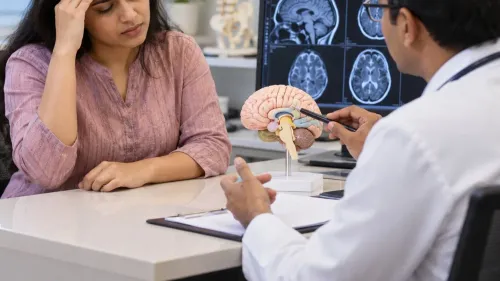
A brain health checkup is a focused review of memory, thinking, balance, movement, sensation, and factors that affect them, including sleep, mood, medicines, alcohol, hearing, and vision. It is broader than a single memory test but narrower than every possible medical assessment.
| Option | What it examines | Main purpose |
|---|---|---|
| Routine physical | General health, blood pressure, medicines, and common medical risks | Overall health review |
| Memory screening | Brief checks of orientation, attention, recall, language, or clock drawing | Identify whether fuller assessment is needed |
| Neuropsychological assessment | Detailed testing of memory, attention, processing speed, language, executive function, and visuospatial skills | Clarify patterns that a short test misses |
| Full neurological consultation | History, neurological examination, function, and targeted investigations | Connect symptoms to a diagnostic and care plan |
Timing matters. Tell the clinician whether symptoms began suddenly, developed gradually, fluctuate, or followed a stroke, head injury, infection, medication change, or seizure. Also describe whether dizziness means spinning, faintness, light-headedness, or imbalance; these patterns point toward different causes.
Do not wait for a routine appointment if you have:
- Sudden confusion
- New weakness or facial droop
- Speech trouble
- A severe new headache
- A seizure or fainting
- Inability to walk
- Sudden severe imbalance
These symptoms require urgent assessment because they can signal stroke, seizure, delirium, bleeding, or another acute medical problem.
What questions and cognitive checks may be part of the visit?
The clinician asks what changed, when it started, and whether memory, attention, or language problems fluctuate. They also ask about sleep, mood, anxiety, alcohol, medicines, hearing, vision, dizziness, and falls. Changes in cooking, finances, medication management, driving, appointments, or getting lost show whether symptoms affect daily life.
Bring a family member or other observer: reduced insight can hide important changes.
- Orientation: date, place, and situation
- Registration: learning new words or information
- Delayed recall: remembering it after a delay
- Attention: repeating digits or completing a sequence
- Executive function: switching tasks, planning, or problem-solving
- Language: naming, comprehension, repetition, and fluency
- Visuospatial skills and clock drawing
| Tool | Practical use | Important limit |
|---|---|---|
| Montreal Cognitive Assessment MoCA | Broader screen, including executive and visuospatial tasks | Education, language, sensory problems, fatigue, and test familiarity affect results |
| Mini-Mental State Examination MMSE | Familiar screen of orientation, recall, attention, language, and basic commands | Can miss subtle executive or early cognitive changes |
| Mini-Cog | Brief combination of three-word recall and clock drawing | Useful for quick screening, but provides limited detail |
None of these scores diagnoses dementia. Anxiety, depression, pain, poor sleep, hearing loss, vision loss, and limited education can lower performance; a normal result can still miss early disease. Longer formal neuropsychological testing helps when symptoms and screening disagree, the person is young or highly educated, the impairment pattern matters, or a baseline is needed.
How can a clinician work out what kind of dizziness or imbalance you have?
The first decision is what “dizzy” means: spinning vertigo, presyncope or faintness, light-headedness, or imbalance. Timing and triggers help separate these experiences before symptoms are attributed to the brain or inner ear.
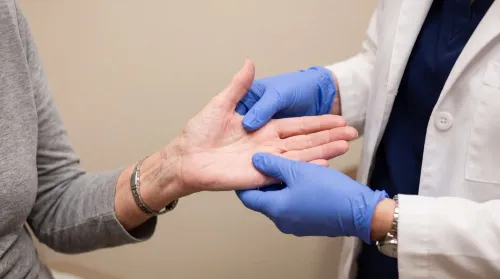
1. The clinician watches you rise from a chair or bed, transfer, walk, turn, and use a cane or walker. They may assess tandem walking, postural stability, lower-limb strength, coordination, reflexes, sensation, and proprioception, which is your awareness of limb position.
2. Eye movements, nystagmus, and other vestibular signs are examined. The Romberg test compares your stability with your eyes open and closed; marked worsening with eye closure can suggest impaired sensation or proprioception. The Dix-Hallpike manoeuvre is used when brief vertigo is triggered by lying back or turning, not for every type of dizziness.
3. Orthostatic vital signs measure blood pressure and pulse after lying or sitting, then again after standing. A fall of at least 20 mm Hg systolic or 10 mm Hg diastolic within three minutes of standing meets the usual definition of orthostatic hypotension.
A balance assessment also reviews previous falls, footwear, vision, home hazards, and how safely you manage stairs and transfers. Findings may point toward neuropathy, weakness, impaired vision, vestibular disease, cerebellar problems, Parkinsonian syndromes, or spinal cord disease. Recurrent falls often have several causes, so treating one abnormality may not remove the risk.
Which tests and referrals are chosen after the examination?
Investigations are chosen to answer a specific question raised by your history and examination, not ordered automatically. Blood tests for memory problems look for treatable contributors: complete blood count, glucose or HbA1c, thyroid-stimulating hormone, vitamin B12, electrolytes, liver tests, and kidney tests.
| Scan | What it shows | When it applies |
|---|---|---|
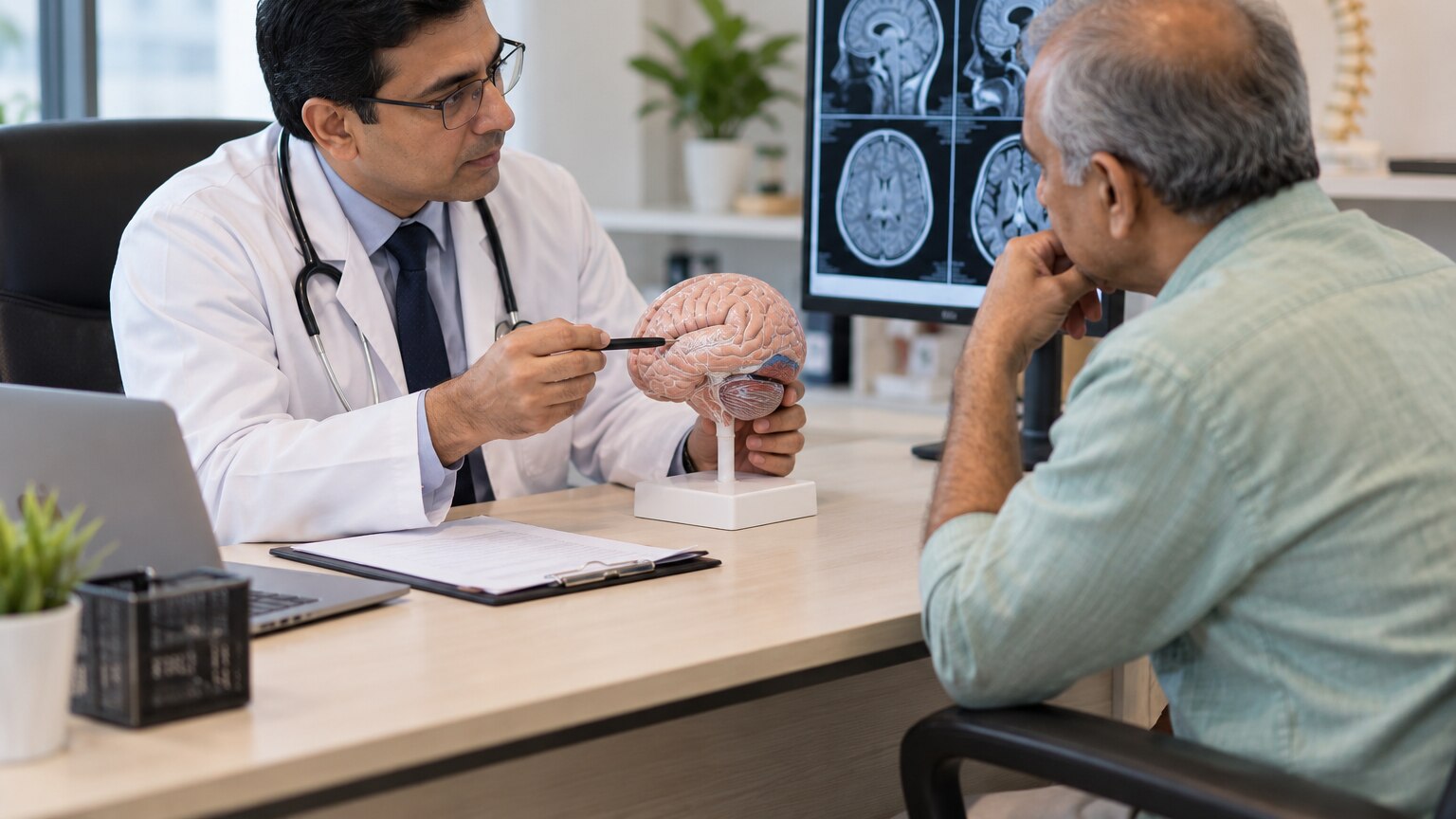
| MRI brain scan | Vascular injury, stroke, tumour, hydrocephalus, subdural collections, and patterns of atrophy without radiation | Preferred when brain imaging is indicated and available |
| CT brain scan | Rapid structural imaging | Useful when imaging is urgent, MRI is unavailable, or MRI is contraindicated |
Neither an MRI or CT brain scan is routine for ordinary forgetfulness. A normal scan also does not rule out every cause of cognitive change.
An EEG is considered for unusual spells, seizures, episodic impaired awareness, or rapidly fluctuating states. It is not a routine test for uncomplicated memory complaints or chronic imbalance, and a normal EEG does not by itself exclude epilepsy.
Additional referrals depend on the suspected contributor:
- Hearing or vision assessment for untreated sensory loss
- Vestibular assessment or physiotherapy for inner-ear dizziness, weakness, gait problems, or falls
- Psychiatry for depression, anxiety, or complex mood symptoms
- Sleep assessment for obstructive sleep apnoea or insomnia
- General medical review for alcohol use, medication effects, or other illnesses
Sedatives, opioids, antiseizure medicines, sleep medicines, anticholinergic drugs, and blood-pressure medicines can worsen alertness, balance, or falls. Do not stop any prescribed medicine without medical advice; abrupt withdrawal can be dangerous.
How should you prepare, and what happens after the checkup?
To prepare for a neurological appointment, bring a complete list of every medicine and supplement, including doses and timing. Note alcohol use, recent medication changes, and when symptoms occur, improve, worsen, or follow a trigger.
- Record falls, near-falls, fainting, unusual spells, getting lost, missed medicines, or changes in cooking, finances, driving, and appointments.
- Bring a trusted observer who can describe functional changes you may not notice, such as repeated questions, unsafe walking, personality changes, or difficulty following steps.
- Bring glasses, hearing aids, mobility aids, previous scan reports, and relevant discharge summaries.
After the checkup, a normal brief screen does not rule out early disease, especially when strong education or coping strategies mask difficulty. A low score does not identify one cause; hearing or vision loss, language, education, anxiety, depression, pain, fatigue, and unfamiliarity with testing can affect performance.
Formal neuropsychological testing is useful when symptoms and screening results disagree, when you are relatively young or highly educated, when the impairment pattern matters, or when a baseline is needed. It takes longer and examines attention, processing speed, executive function, language, visuospatial skills, and types of memory.
A specialist neurological consultation connects your history, examination, results, and day-to-day changes into a follow-up plan instead of treating a score in isolation. In Mumbai, Dr Jharna P Mahajan (Bhanushali) provides that type of review and ongoing care for cognitive, balance, seizure, nerve, and related concerns.
Frequently asked questions
What is a brain health checkup?
It is a focused review of memory, thinking, balance, movement, sensation, and factors such as sleep, mood, medicines, alcohol, hearing, and vision. It is broader than a single memory test but narrower than a full medical assessment.
What questions and cognitive checks may be included?
The clinician may ask about symptom timing, daily functioning, sleep, mood, medicines, alcohol, hearing, vision, and medical history. Checks may assess orientation, attention, recall, language, visuospatial skills, gait, coordination, strength, and sensation.
How is dizziness or imbalance assessed?
The clinician matches the sensation and its triggers with examination findings. They may assess eye movements, walking, coordination, blood pressure changes, sensation in the feet, hearing, and signs pointing to an inner-ear or neurological cause.
Which tests or referrals might follow a brain health checkup?
The examination determines the next step. Testing may include blood tests, brain imaging, hearing or vision assessment, vestibular testing, formal cognitive testing, or referrals to neurology, ENT, audiology, ophthalmology, physiotherapy, or other specialists.
How should you prepare for a brain health checkup?
Bring a complete medicine and supplement list, relevant medical records, glasses and hearing aids, and a timeline of symptoms. Note falls, triggers, sleep changes, mood changes, and examples of problems with memory or daily tasks.