
Persistent numbness, burning sensations or tingling deserves more than simply labelling the symptoms as a circulation problem. Peripheral nerve symptoms can arise from diabetes, nutritional deficiencies, immune conditions, inherited disorders, medications, nerve compression and several other causes.
For people in Dadar, choosing a Neuropathy Specialist should therefore begin with one question — how thoroughly will the underlying cause be investigated?
Look for an Evaluation That Goes Beyond Pain
A useful neurological assessment examines the complete symptom pattern.
The history may explore:
- When symptoms began
- Whether they are progressing
- Areas affected
- Diabetes
- Current medicines
- Nutritional history
- Alcohol exposure
- Family history
- Associated weakness
- Balance difficulties
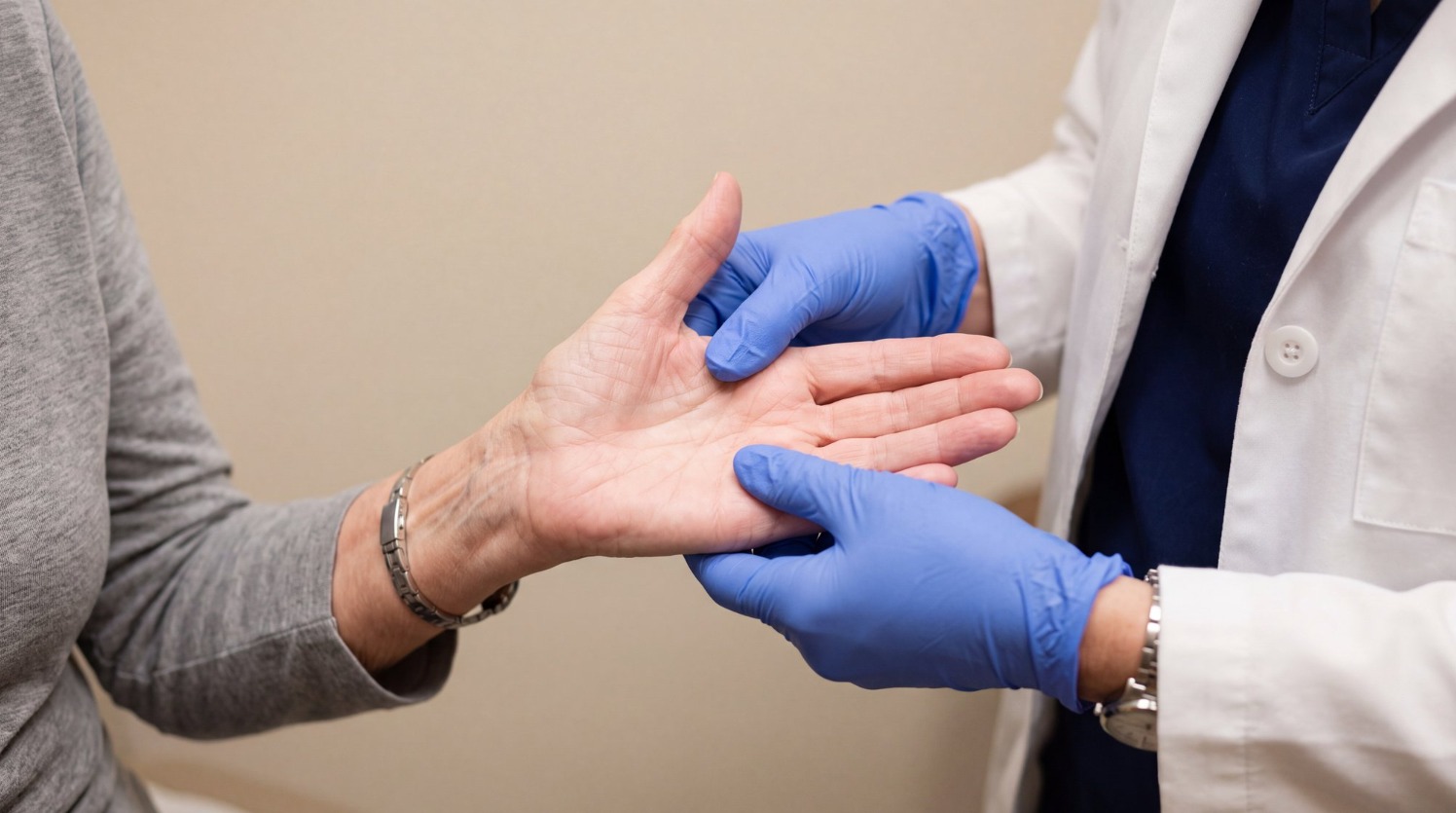
The examination may assess sensation, reflexes, muscle strength and walking.
This helps determine which peripheral nerves may be involved.
Understand Why Tests Are Recommended
Not every patient with tingling needs the same investigations.
Blood tests may identify metabolic or nutritional contributors.
Nerve conduction studies evaluate how electrical signals travel through peripheral nerves. Electromyography may provide additional information about nerve and muscle function.
Testing should be selected to answer a specific diagnostic question rather than being performed as an identical package for every patient.
Ask What Treatment Is Expected to Achieve
A good treatment plan should have realistic goals.
Depending on the diagnosis, these may include:
- Treating the underlying cause
- Reducing neuropathic pain
- Preventing additional nerve injury
- Maintaining muscle strength
- Improving walking
- Reducing fall risk
- Protecting numb feet
Pain reduction is valuable, but it should not distract from investigating why the nerve problem developed.
Consider the Follow Up Plan
Neuropathy often needs monitoring over time.
If medication is prescribed for nerve pain, both benefit and adverse effects should be reviewed.
Progressive numbness or weakness despite treatment may require reassessment.
This is particularly important when the original diagnosis was made before symptoms changed significantly.
Be Cautious With Fixed Recovery Promises
Nerve disorders do not share a universal recovery period.
A compressed peripheral nerve may behave differently from longstanding diabetic neuropathy or inherited neuropathy.
Some patients improve substantially when a treatable cause is corrected. Others require ongoing symptom management.
A realistic discussion should explain these differences.
Preparing for the Appointment
Bring a complete medication list and relevant medical records.
People with diabetes can also bring recent glucose-related reports where available.
It helps to note whether symptoms started in the feet, hands or another area and whether they have gradually spread.
Frequently Asked Questions
Can diabetes be assumed to be the cause of numb feet?
No. Diabetes is a common cause, but other possibilities may still need consideration.
Can neuropathy affect walking?
Yes. Sensory loss and weakness can both interfere with walking and balance.
Are ordinary painkillers always effective for nerve pain?
Neuropathic pain may require medicines specifically selected for abnormal nerve-related pain.
Does symptom improvement mean follow-up is unnecessary?
Not always. The underlying condition may still require management.
Dr. Jharna P. Mahajan evaluates peripheral nerve symptoms for patients in Dadar.
When choosing a Neuropathy Specialist, look beyond short-term pain relief. Careful diagnosis, cause-specific treatment and appropriate follow-up are central to managing persistent nerve symptoms effectively.
Keywords