
Burning feet, tingling toes and persistent numbness are often described casually as circulation problems. In some patients, however, these symptoms originate from damaged peripheral nerves.
For patients in South Bombay, appropriate Peripheral Neuropathy Treatment begins by determining which nerves are affected and identifying the underlying cause whenever possible.
Peripheral neuropathy is not one single disease, which is why treatment cannot be identical for every patient.
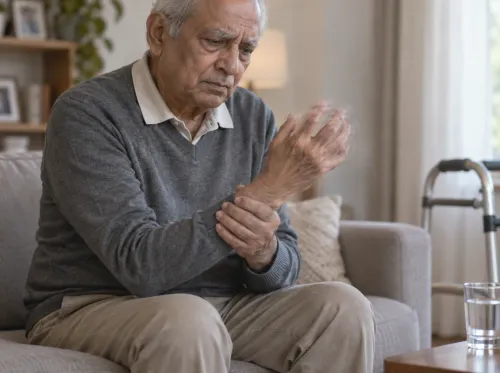
How Peripheral Neuropathy Can Feel
Sensory nerve involvement may cause:
- Burning pain
- Tingling
- Numbness
- Electric-shock sensations
- Increased sensitivity
- Reduced temperature sensation
Motor nerve involvement may cause weakness, cramps or muscle wasting.
Some neuropathies also affect autonomic nerves responsible for automatic body functions.
The location and progression of symptoms can provide important diagnostic clues.
What Happens During Assessment
A neurological examination may evaluate sensation, reflexes, muscle strength, balance and walking.
Further investigations depend on the suspected cause.
These may include blood tests, nerve conduction studies, electromyography or additional specialised investigations.
Potential causes include diabetes, nutritional deficiencies, immune conditions, certain medications, toxins, inherited disorders and nerve compression.
How Treatment Is Selected
The underlying cause should be addressed whenever possible.
For example, if diabetes is contributing to nerve damage, appropriate metabolic management is important alongside treatment of neuropathic symptoms.
Medicines specifically used for nerve pain may be considered when burning or electric-shock-like pain is significant.
Patients experiencing weakness, altered walking or balance difficulties may also benefit from appropriately planned rehabilitation.
What Benefits Can Be Expected
Treatment may help reduce pain, prevent additional nerve damage and improve mobility depending on the cause.
However, longstanding nerve damage may not completely reverse.
Realistic treatment goals can therefore include:
- Reducing nerve pain
- Protecting remaining nerve function
- Improving balance
- Maintaining strength
- Preventing injuries
- Treating the underlying condition
How Long Can Nerve Recovery Take
Peripheral nerves generally recover slowly.
Some neuropathies improve when the underlying cause is identified and corrected. Other conditions may remain stable or require long-term symptom management.
The timeline depends on the type, severity and duration of nerve injury.
Foot Care After Diagnosis
People with significant numbness should pay particular attention to their feet.
Reduced sensation can allow cuts, burns or pressure injuries to go unnoticed.
Regular inspection, appropriate footwear and avoiding excessive heat exposure can reduce avoidable injuries, particularly in patients who also have diabetes.
Frequently Asked Questions
Can neuropathy affect balance?
Yes. Reduced sensation from the feet can interfere with balance.
Can neuropathy cause weakness?
Yes, particularly when motor nerves are affected.
Does every patient need nerve conduction testing?
No. Testing is recommended according to the clinical findings.
Can neuropathy disappear completely?
The outcome depends on its cause and how much nerve damage has occurred.
Dr. Jharna P. Mahajan provides neurological evaluation for patients in South Bombay experiencing numbness, tingling, nerve pain and weakness.
Effective Peripheral Neuropathy Treatment combines investigation of the cause with symptom management, protection from complications and realistic monitoring of nerve recovery.
Keywords