A stroke occurs when blood flow to part of the brain is interrupted or when bleeding occurs within or around the brain. Because brain tissue can be damaged quickly, sudden neurological symptoms require immediate emergency assessment.
For people in Churchgate, understanding Stroke Treatment begins with recognizing that the earliest phase is an emergency. Facial drooping, weakness of an arm or leg, difficulty speaking, sudden loss of vision, severe imbalance or an abrupt unusual headache should not wait for a routine clinic appointment.
What Happens During Emergency Stroke Care
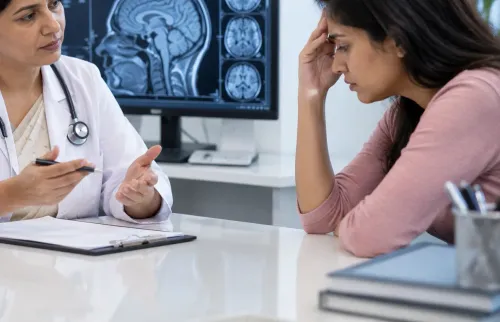
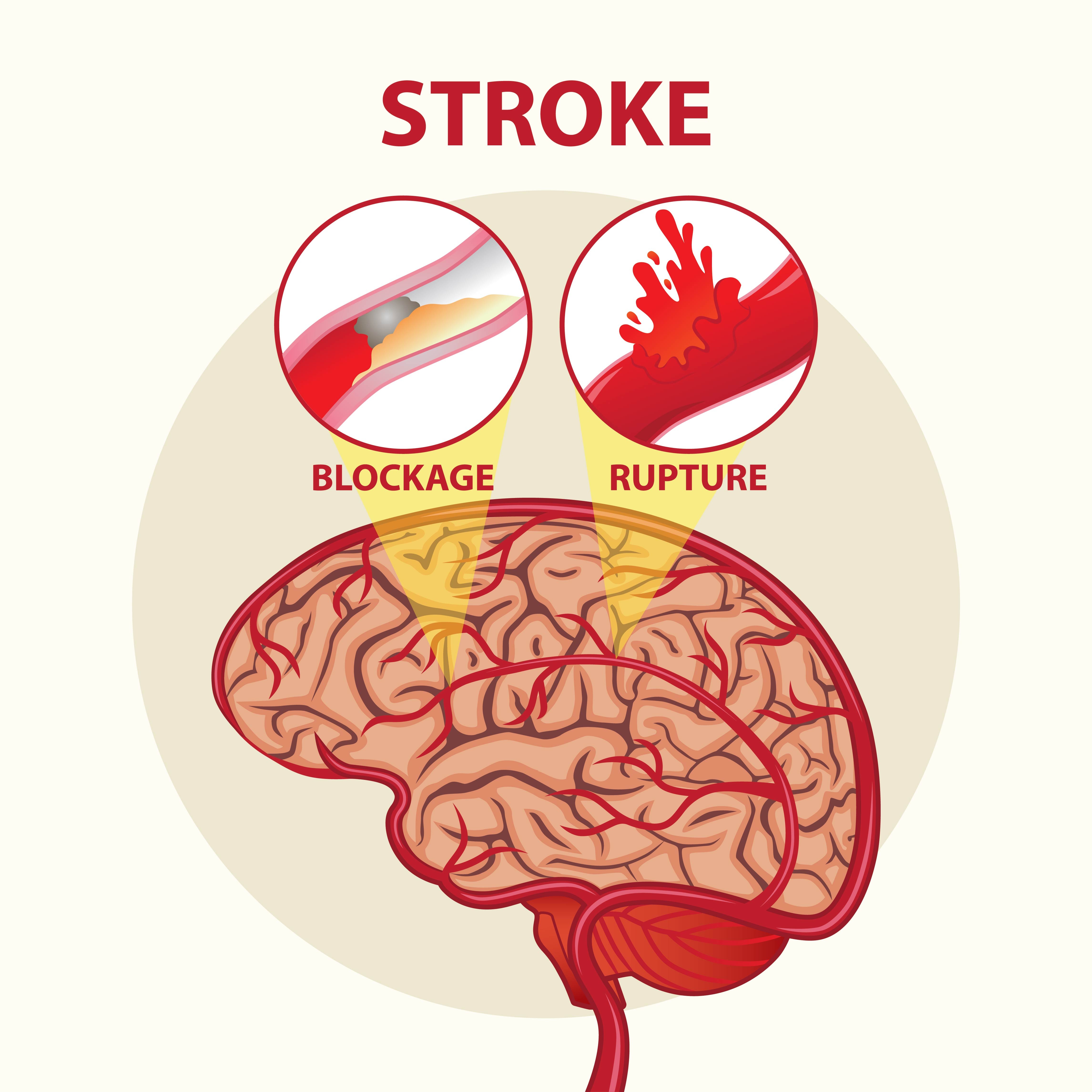
Doctors first determine whether the stroke is ischemic, caused by blocked blood flow, or hemorrhagic, caused by bleeding.
Brain imaging is therefore an essential early investigation.
For eligible patients with an ischemic stroke, treatment may include medicines intended to dissolve a clot. Some patients with blockage of a large blood vessel may be candidates for an endovascular procedure to remove the clot.
Hemorrhagic stroke requires a different management approach depending on the location, cause and extent of bleeding.
Timing matters significantly, which is why stroke symptoms should trigger emergency medical care.
Recovery Continues After the Emergency Phase
After the patient becomes medically stable, attention shifts toward neurological recovery and rehabilitation.
Stroke can affect:
- Arm and leg movement
- Walking
- Balance
- Speech
- Swallowing
- Vision
- Memory
- Attention
- Coordination
- Behaviour
The rehabilitation plan depends on which functions have been affected.
Physiotherapy may address movement and walking. Speech therapy may help with communication or swallowing difficulties. Occupational therapy can focus on practical everyday activities.
How Long Can Stroke Recovery Take
There is no universal recovery period after stroke.
Some patients improve considerably during the first weeks and months. Others require rehabilitation over a much longer period.
Recovery can be influenced by the location and extent of brain injury, complications, general health and participation in rehabilitation.
Patients and families should therefore be cautious about treatments promising complete recovery within a predetermined number of days.
Preventing Another Stroke Is Part of Treatment
Long-term Stroke Treatment also involves identifying and managing factors that may increase the risk of another stroke.
Depending on the individual, these may include:
- High blood pressure
- Diabetes
- High cholesterol
- Smoking
- Certain heart rhythm problems
- Physical inactivity
- Previous transient ischemic attacks
Prescribed medication should be taken consistently and reviewed according to the treating doctor’s recommendations.
Care After Hospital Discharge
Families can support recovery by helping with medication schedules, rehabilitation appointments and home safety.
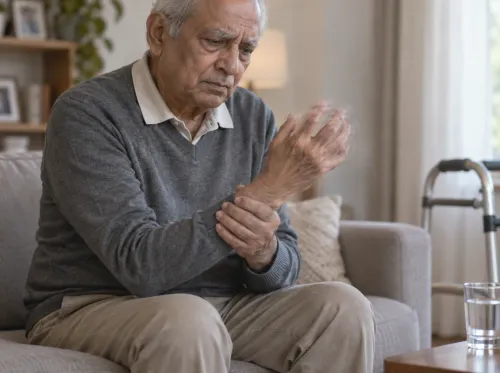
Falls may become a concern when balance or one-sided weakness persists. Practical modifications such as removing loose rugs, improving lighting and providing appropriate mobility support can make the home safer.
New stroke-like symptoms after discharge should still be treated as an emergency.
Frequently Asked Questions
Can stroke symptoms disappear on their own?
Temporary symptoms can occur with a transient ischemic attack and still require urgent assessment.
Does every patient recover completely?
No. The degree of recovery varies considerably.
Can rehabilitation continue after discharge?
Yes. Many patients continue rehabilitation after leaving hospital.
Why is follow-up important?
Neurological follow-up can assess persistent symptoms, recovery and strategies intended to reduce recurrent stroke risk.
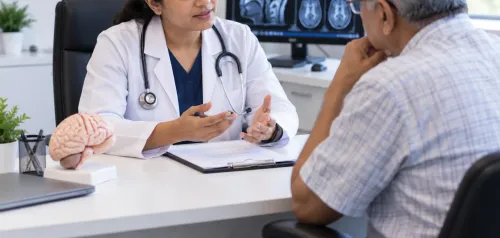
Dr. Jharna P. Mahajan provides neurological evaluation and follow-up for patients in Churchgate after the emergency phase of stroke care.
Effective Stroke Treatment is therefore a continuum beginning with rapid emergency intervention and extending through rehabilitation, risk-factor management and neurological follow-up.
Keywords