Stroke symptoms can appear without warning. Someone may be speaking normally one moment and suddenly develop facial weakness, difficulty using an arm, or trouble finding words.
Because brain tissue can be damaged when its blood supply is interrupted, stroke treatment is highly time-sensitive. Recognising the warning signs and acting quickly can influence which treatment options are available.
For families in Marine Lines, knowing what stroke looks like before an emergency happens is a practical form of preparedness.
Recognise the major stroke warning signs
A useful approach is to watch for sudden changes involving the face, arms, speech, vision, or balance.
Possible signs include:
- Facial drooping on one side
- Weakness or numbness in one arm
- Weakness affecting one side of the body
- Slurred or unusual speech
- Difficulty understanding speech
- Sudden loss or disturbance of vision
- Abrupt severe imbalance
- Sudden unexplained neurological symptoms
Some strokes can also present with a sudden severe headache.
Why time matters
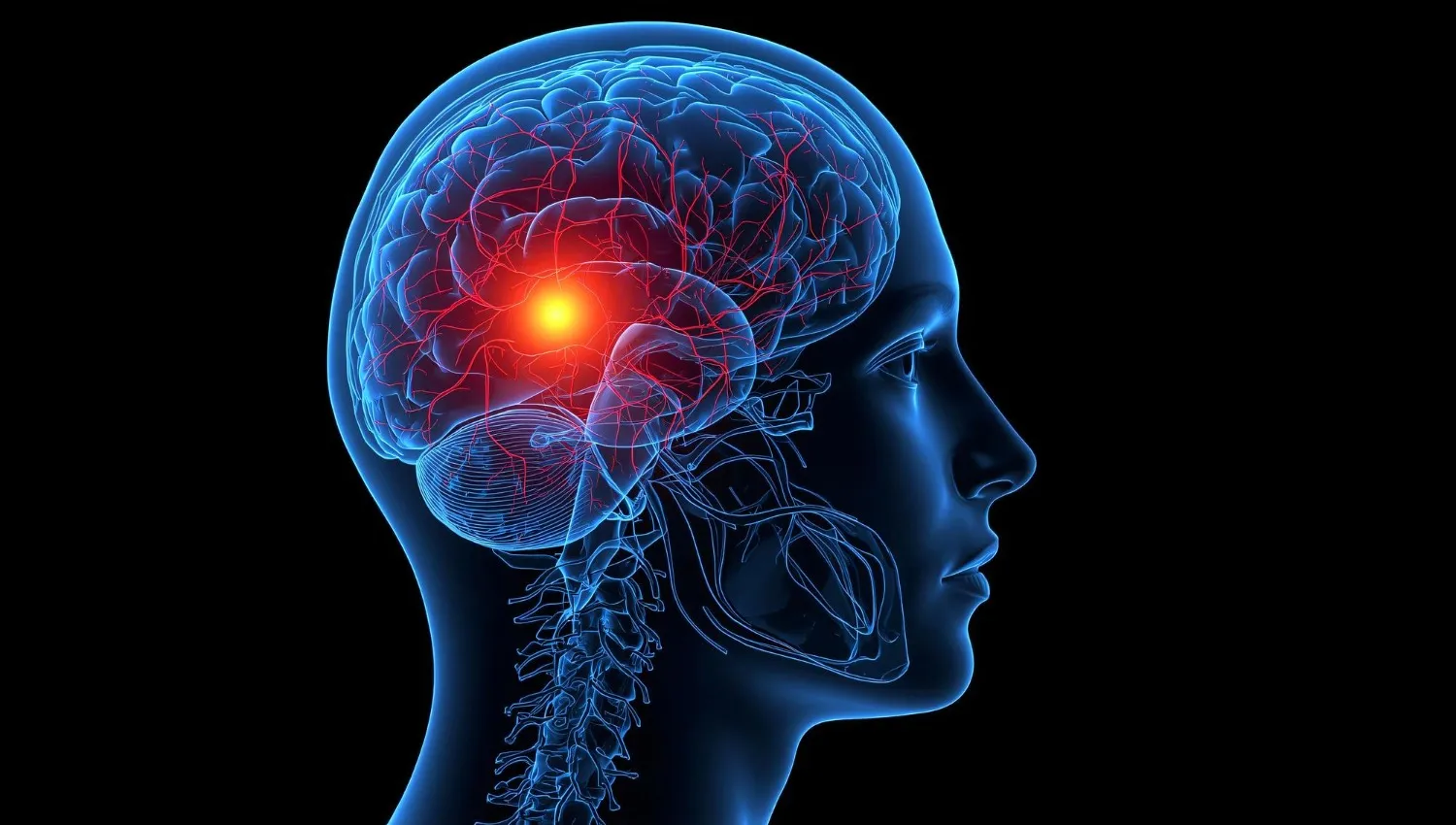
Broadly, stroke can occur when blood flow to part of the brain is blocked or when bleeding occurs in or around the brain.
These situations require different management.
Brain imaging and clinical assessment are therefore essential before appropriate treatment decisions can be made. Treatment cannot safely be selected simply from symptoms at home.
For certain eligible patients with an ischaemic stroke, time-dependent treatments may be considered to restore blood flow. Suitability depends on multiple clinical and imaging factors.
This is why recording the time symptoms were first noticed, or the last time the person was known to be well, can be valuable.
Do not wait for symptoms to disappear
Some people experience neurological symptoms that improve after several minutes. Temporary improvement does not mean the event should be ignored.
A transient ischaemic attack can cause stroke-like symptoms that resolve, but it can indicate an increased risk of a subsequent stroke.
Urgent medical evaluation remains important.
What happens after the emergency phase
Stroke care does not end once the immediate event is stabilised.
Doctors may investigate contributing factors such as high blood pressure, diabetes, abnormal heart rhythms, cholesterol abnormalities, and disease affecting blood vessels.
Depending on the resulting disability, rehabilitation may involve physiotherapy, occupational therapy, speech and swallowing therapy, and other forms of support.
Neurological follow-up can also help monitor recovery and secondary prevention strategies.
Understanding long-term stroke care
Dr. Jharna P. Mahajan provides neurological evaluation and follow-up for patients requiring stroke-related care in Marine Lines.
Follow-up may focus on neurological recovery, residual weakness, balance difficulties, speech changes, cognitive symptoms, and strategies aimed at reducing future stroke risk based on the individual's diagnosis.
The most important stroke decision, however, often happens before a neurologist's routine consultation. Sudden facial weakness, arm weakness, speech difficulty, or another abrupt neurological deficit should be treated as an emergency.
Knowing the signs allows families to respond promptly instead of waiting to see whether symptoms improve on their own.
Keywords