
Weakness can range from temporary heaviness in a limb to a genuine inability to move part of the body. Because the causes vary widely, understanding how and when weakness developed is important.
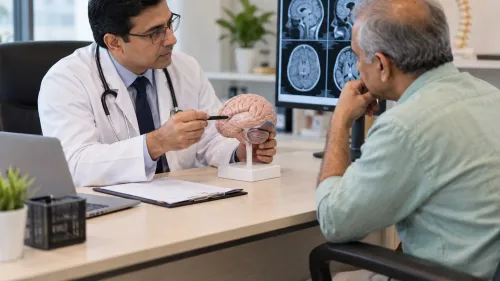
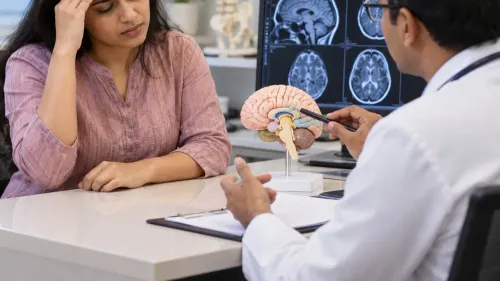
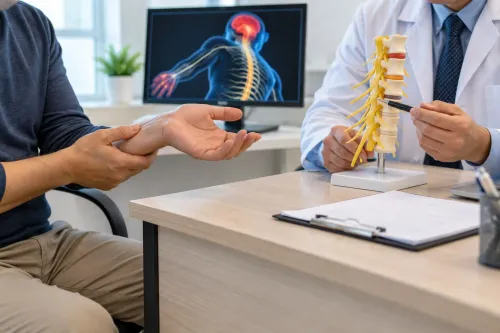
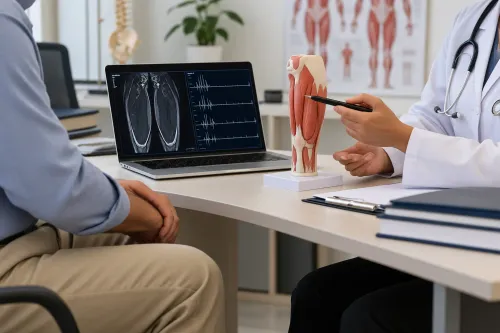
A neurologist for paralysis evaluates whether loss of movement may originate from the brain, spinal cord, peripheral nerves, neuromuscular junction, muscles, or another neurological process.
For patients in South Bombay, sudden weakness deserves particular attention because some causes require immediate hospital assessment.
What paralysis can look like
Paralysis does not have one universal pattern.
A person may experience weakness affecting one side of the body, both legs, one limb, or particular muscle groups.
Important associated symptoms include:
- Facial drooping
- Numbness
- Speech difficulty
- Loss of coordination
- Visual disturbance
- Severe imbalance
- Difficulty swallowing
- Changes in bladder or bowel control
The pattern helps doctors identify which part of the nervous system may be affected.
Sudden one-sided weakness is particularly important
Weakness involving the face, arm, or leg on one side can indicate stroke, especially when it appears suddenly.
Speech difficulty, facial asymmetry, sudden vision changes, confusion, or abrupt balance problems alongside weakness are additional warning signs.
These symptoms require emergency medical assessment. Waiting for a routine neurological appointment can delay time-sensitive treatment.
Gradual weakness requires investigation too
Not all causes of paralysis develop suddenly.
Weakness progressing over days, weeks, or months may involve peripheral nerves, muscles, the spinal cord, or other neurological structures.
During assessment, the neurologist may examine:
- Muscle strength
- Reflexes
- Muscle tone
- Sensation
- Coordination
- Walking pattern
These findings help localise the problem.
Further investigations are then selected according to the suspected cause.
Rehabilitation depends on the underlying condition
The word paralysis describes loss of movement but does not explain why it occurred.
Treatment therefore varies considerably. Some patients may need medication for an underlying neurological disorder. Others may require rehabilitation, physiotherapy, occupational therapy, mobility assistance, or ongoing monitoring.
Recovery also depends on factors including the cause, severity, location of neurological damage, associated medical conditions, and response to treatment.
When neurological review becomes important
Gradually worsening weakness should be assessed when it begins affecting walking, hand function, balance, or routine activities.
Dr. Jharna P. Mahajan provides neurological assessment for patients with weakness and paralysis-related concerns in South Bombay. Evaluation focuses on identifying the neurological pattern, possible cause, and appropriate next steps.
Sudden paralysis should always be treated differently from long-standing weakness. Recognising that distinction is essential. Emergency symptoms need immediate attention, while persistent or progressive weakness requires structured investigation to understand what part of the nervous system is involved.
Keywords