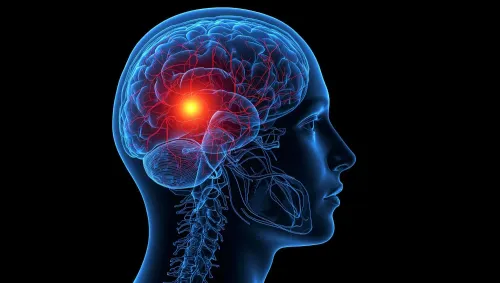

Giddiness is a symptom that many people experience at some point, but when it becomes frequent, severe, or starts interfering with daily life, it deserves medical attention. While occasional lightheadedness may occur due to dehydration, low blood sugar, or standing up too quickly, persistent or recurring episodes can sometimes point to an underlying neurological condition. Knowing when to see a neurologist for giddiness can help identify the cause early and prevent complications.
Many people assume that all dizziness originates from the inner ear. However, the brain, nerves, spinal cord, and even certain muscle disorders play an important role in maintaining balance. When these systems are affected, giddiness may be one of the earliest warning signs. A timely neurological evaluation helps determine whether the symptom is related to a neurological disorder or another medical condition requiring different treatment.
Understanding What Giddiness Really Means
The term 'giddiness' is commonly used to describe several different sensations. Some people feel as though the room is spinning, while others experience unsteadiness, lightheadedness, or difficulty maintaining balance. Because each type of dizziness may have a different cause, describing your symptoms accurately helps the neurologist narrow down the diagnosis.
People experiencing giddiness may describe:
- A spinning sensation
- Feeling faint or lightheaded
- Difficulty walking in a straight line
- Loss of balance
- Feeling as though they may fall
- A floating or disconnected sensation
The exact nature of the symptom provides valuable clues about whether the problem is related to the inner ear, blood circulation, or the nervous system.
Warning Signs That Require a Neurological Evaluation
Not every episode of dizziness is serious, but certain symptoms should never be ignored.
You should consider consulting a neurologist if giddiness is accompanied by:
- Persistent numbness or tingling
- Weakness in the arms or legs
- Difficulty speaking
- Double vision
- Tremors
- Frequent falls
- Poor coordination
- Memory changes
- Recurrent headaches
- Loss of consciousness or seizures
These symptoms may indicate involvement of the brain, spinal cord, or peripheral nerves and require prompt medical assessment.
Neurological Conditions That Can Cause Giddiness
Several neurological disorders can affect the body's balance system.
Some of the common causes include:
- Stroke or transient ischaemic attack (TIA)
- Vestibular migraine
- Parkinson's disease
- Multiple sclerosis
- Peripheral neuropathy
- Cerebellar disorders
- Brainstem disorders
- Certain neuromuscular diseases
Because these conditions often share similar symptoms, it is important not to rely on self-diagnosis. A detailed clinical evaluation helps identify the actual cause.
What Happens During the Consultation?
A neurologist begins by understanding your symptoms in detail rather than immediately recommending investigations.
During the consultation, you may be asked:
- When did the dizziness begin?
- How often does it occur?
- How long do the episodes last?
- Does changing position trigger symptoms?
- Are there associated headaches, weakness, or vision changes?
- Have you experienced previous neurological problems?
- What medications are you currently taking?
A comprehensive neurological examination follows, including assessment of muscle strength, reflexes, sensation, coordination, eye movements, walking pattern, and balance.
This examination often provides important information that guides further evaluation.
Are Additional Tests Always Needed?
Many patients worry that they will automatically require multiple scans or complex investigations. In reality, testing depends entirely on the clinical findings.
When necessary, your neurologist may recommend:
- MRI of the brain
- CT scan in emergency situations
- Neurodiagnostic tests
- Blood investigations
- Nerve conduction studies
- Electromyography (EMG)
Each investigation is selected based on the suspected diagnosis rather than being performed routinely.
When Is Immediate Medical Attention Necessary?
Some forms of dizziness require urgent evaluation because they may indicate a medical emergency.
Seek immediate medical care if giddiness occurs with:
- Sudden weakness on one side of the body
- Difficulty speaking or understanding speech
- Severe headache unlike previous headaches
- Sudden loss of vision
- Persistent vomiting
- Loss of consciousness
- Inability to walk
- Sudden confusion
Prompt treatment is especially important if a stroke is suspected.
Why Early Diagnosis Makes a Difference
Persistent giddiness should not simply be accepted as part of aging or stress. Identifying the cause early allows appropriate treatment to begin before symptoms significantly affect daily life or increase the risk of falls and injury.
For people living in South Bombay, specialised neurological assessment is available for patients experiencing unexplained dizziness, balance problems, or recurrent episodes of giddiness. Dr. Jharna P. Mahajan, a consultant neurologist specialising in neuromuscular disorders, conducts detailed neurological evaluations to determine whether symptoms are related to the nervous system and recommends appropriate investigations only when clinically indicated.
Although dizziness is a common complaint, recurring or unexplained giddiness should never be overlooked. Recognising the warning signs and seeking timely neurological evaluation can help identify the underlying condition, guide appropriate treatment, and support better long-term neurological health.
Keywords