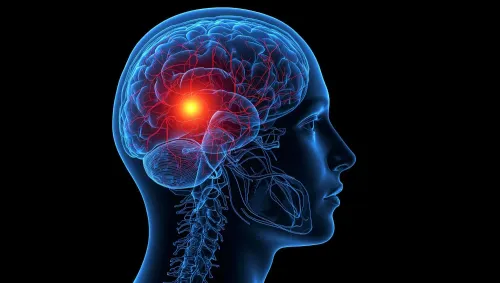
When symptoms such as persistent headaches, dizziness, unexplained numbness, muscle weakness, seizures, or balance problems continue without a clear cause, your doctor may recommend neurodiagnostic tests. While the name may sound intimidating, these tests are designed to provide detailed information about how the brain, spinal cord, nerves, and muscles are functioning. They play an essential role in diagnosing neurological conditions accurately and guiding appropriate treatment.
Many neurological disorders share similar symptoms, making it difficult to reach a diagnosis based on symptoms alone. Neurodiagnostic tests help specialists identify the source of the problem, distinguish between different conditions, and monitor disease progression. Understanding why these tests are performed can help patients feel more informed and confident before their appointment.
What Are Neurodiagnostic Tests?
Neurodiagnostic tests are specialised investigations that evaluate the structure and function of the nervous system. Unlike routine blood tests, these assessments provide detailed insights into electrical activity, nerve function, muscle performance, and brain health.
A neurologist recommends specific tests based on your symptoms, medical history, and findings during a neurological examination. Not every patient requires every test, and the choice always depends on the suspected condition.
These investigations help diagnose a wide range of nervous system disorders, including epilepsy, neuropathy, Parkinson's disease, stroke, dementia, neuromuscular disorders, multiple sclerosis, and certain muscle diseases.
Common Neurodiagnostic Tests and Their Purpose
Different tests provide different types of information. Some evaluate electrical activity, while others produce detailed images of the brain or assess nerve function.
Electroencephalogram (EEG)
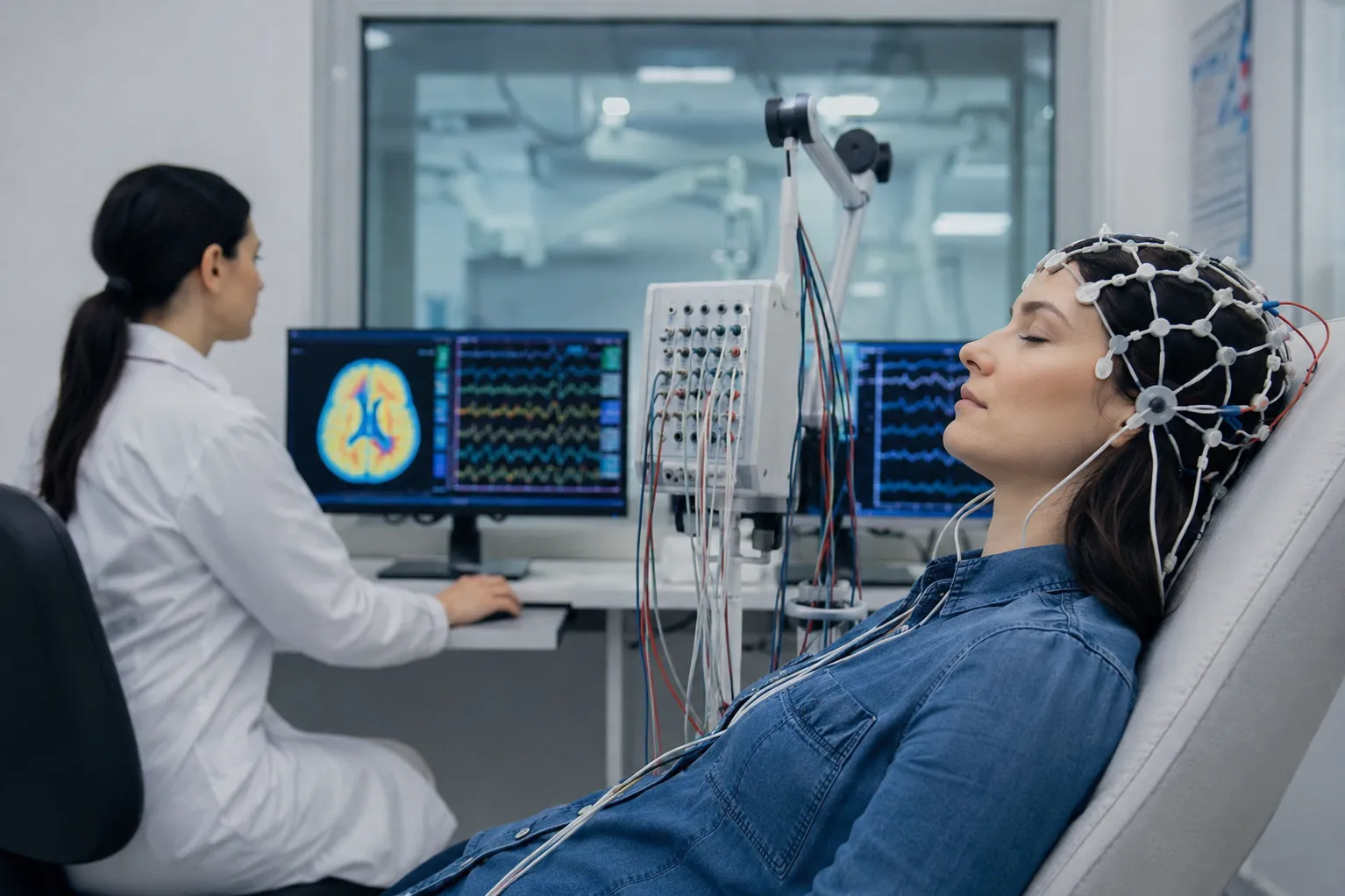
An EEG records the brain's electrical activity through small electrodes placed on the scalp. It is commonly used when evaluating:
- Seizures and epilepsy
- Episodes of loss of consciousness
- Certain sleep disorders
- Unexplained confusion
The procedure is painless and usually completed within a few hours.
Electromyography (EMG)
EMG measures the electrical activity of muscles during rest and movement. It helps determine whether muscle weakness is caused by a muscle disorder or a nerve-related condition.
This test is frequently recommended for patients experiencing:
- Muscle weakness
- Muscle wasting
- Persistent muscle cramps
- Suspected myopathy
- Neuromuscular disorders
Nerve Conduction Studies (NCS)
Often performed alongside EMG, nerve conduction studies measure how quickly electrical signals travel through peripheral nerves.
These studies are valuable in diagnosing:
- Peripheral neuropathy
- Carpal tunnel syndrome
- Nerve injuries
- Certain inherited nerve disorders
By evaluating nerve function directly, the test helps locate areas of nerve damage.
MRI of the Brain or Spine
Magnetic Resonance Imaging (MRI) creates highly detailed images of the brain and spinal cord without using radiation.
MRI may be recommended to evaluate:
- Stroke
- Brain tumours
- Multiple sclerosis
- Spinal cord disorders
- Chronic headaches
- Persistent dizziness
It allows neurologists to identify structural abnormalities that may explain a patient's symptoms.
CT Scan
A CT scan is often used during emergencies because it can quickly detect bleeding, stroke, or head injuries. While MRI provides greater detail for many neurological conditions, CT scans remain an important diagnostic tool in acute situations.
Why Accurate Diagnosis Matters
Neurological symptoms can overlap considerably. For example, numbness may result from neuropathy, spinal disorders, vitamin deficiencies, or even certain brain conditions. Similarly, muscle weakness may arise from nerve disorders, muscle diseases, or problems affecting the spinal cord.
Neurodiagnostic tests help distinguish between these possibilities, allowing treatment to be based on the actual cause rather than assumptions.
Accurate diagnosis can:
- Prevent unnecessary treatments
- Identify conditions at an earlier stage
- Support better long-term management
- Monitor disease progression
- Evaluate response to treatment
The information gathered through these investigations often complements the findings of a neurological examination, providing a more complete clinical picture.
Should You Be Concerned About These Tests?
Many patients worry that neurodiagnostic tests are painful or risky. In reality, most are safe, well-established procedures performed routinely in neurological practice.
Some tests, such as EMG or nerve conduction studies, may cause temporary mild discomfort, but they are generally well tolerated. EEG, MRI, and CT scans are non-invasive procedures that do not involve surgery.
Before any investigation, your neurologist explains why the test is needed, how it is performed, and what information it is expected to provide.
When Should You Consider a Neurological Evaluation?
If neurological symptoms persist or gradually worsen, delaying assessment may postpone diagnosis and treatment. It is advisable to consult a neurologist if you experience:
- Recurrent seizures
- Persistent headaches
- Ongoing dizziness or balance problems
- Unexplained muscle weakness
- Numbness or tingling
- Tremors
- Memory changes
- Difficulty walking or coordinating movements
For residents of Dadar, access to specialist neurological care allows timely evaluation of these symptoms. Dr. Jharna P. Mahajan, a consultant neurologist specialising in neuromuscular disorders, recommends neurodiagnostic tests only when clinically indicated, using the findings alongside a detailed neurological examination to arrive at an accurate diagnosis.
Neurodiagnostic tests are valuable tools that help uncover the cause of neurological symptoms with greater precision. Rather than viewing them as something to fear, patients can consider them an important step towards understanding their condition and receiving the most appropriate treatment based on clear clinical evidence.
Keywords