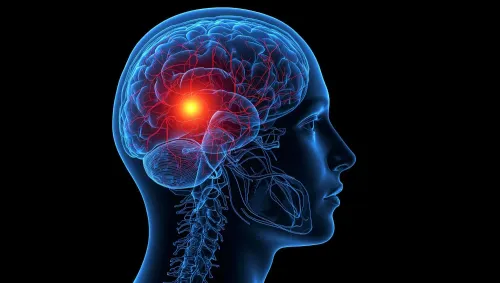

The nervous system controls everything from movement and sensation to memory, speech, balance, and coordination. When something disrupts this complex network, even simple daily activities can become difficult. Symptoms such as persistent headaches, numbness, tremors, muscle weakness, dizziness, or memory changes are often the body's way of signalling that something may be affecting the nervous system. While some symptoms may be temporary, others require prompt medical evaluation to identify the underlying cause.
Understanding when nervous system disorders require specialist neurological care can help patients avoid delays in diagnosis and receive appropriate treatment before symptoms progress.
What Are Nervous System Disorders?
Nervous system disorders refer to conditions that affect the brain, spinal cord, peripheral nerves, or muscles controlled by the nervous system. These disorders vary widely in severity, ranging from temporary nerve irritation to progressive neurological diseases.
Some of the commonly diagnosed neurological conditions include:
- Peripheral neuropathy
- Parkinson's disease
- Epilepsy
- Stroke
- Dementia
- Motor neuron disease
- Myopathy
- Multiple sclerosis
- Neuromuscular disorders
- Migraine and chronic headache disorders
Although these conditions differ significantly, many share similar symptoms, making specialist evaluation essential for an accurate diagnosis.
Common Symptoms That Should Never Be Ignored
Neurological symptoms often develop gradually, but they should never be dismissed as a normal part of aging or everyday stress.
Arrange a neurological consultation if you experience:
- Persistent numbness or tingling
- Muscle weakness
- Frequent dizziness or loss of balance
- Tremors affecting daily activities
- Recurrent seizures
- Memory loss
- Difficulty speaking
- Problems with coordination
- Frequent unexplained falls
- Burning nerve pain
- Difficulty swallowing
Symptoms that worsen over time deserve prompt medical attention, even if they appear mild initially.
Why Specialist Evaluation Is Important
Many nervous system disorders produce overlapping symptoms. For example, muscle weakness may result from peripheral nerve disease, muscle disorders, spinal cord problems, or conditions affecting the brain.
A neurologist performs a detailed assessment to determine where the problem originates rather than treating symptoms alone.
The evaluation usually includes:
- Detailed medical history
- Neurological examination
- Assessment of muscle strength
- Reflex testing
- Sensory evaluation
- Coordination and balance assessment
- Cognitive assessment when memory concerns are present
This systematic approach helps narrow down the possible causes before recommending further investigations.
Diagnostic Tests That May Be Required
Not every patient requires extensive investigations. However, when necessary, your neurologist may recommend tests that provide additional information about the nervous system.
These may include:
- MRI of the brain or spine
- CT scan in selected situations
- Electroencephalography (EEG)
- Electromyography (EMG)
- Nerve conduction studies
- Blood investigations
- Other neurodiagnostic tests based on clinical findings
Each investigation is chosen according to the patient's symptoms and examination findings rather than following a routine protocol.
How Are Nervous System Disorders Treated?
Treatment depends entirely on the underlying diagnosis. Some neurological conditions are temporary and improve with appropriate medical care, while others require long-term management.
Depending on the condition, treatment may include:
Medication
Medicines may help control seizures, manage tremors, reduce nerve pain, treat inflammation, or slow the progression of certain neurological diseases.
Rehabilitation
Physiotherapy, occupational therapy, and speech therapy play an important role in helping patients maintain independence, improve mobility, and adapt to physical limitations.
Lifestyle Management
Healthy lifestyle habits support neurological health and complement medical treatment.
Patients are commonly advised to:
- Maintain regular physical activity
- Eat a balanced diet
- Control diabetes and blood pressure
- Get adequate sleep
- Avoid smoking and excessive alcohol consumption
- Attend regular follow-up appointments
These measures contribute to better long-term neurological outcomes.
When Should You Seek Immediate Medical Attention?
Certain neurological symptoms require urgent evaluation because they may indicate a medical emergency.
Seek emergency care if you experience:
- Sudden weakness on one side of the body
- Difficulty speaking
- Sudden loss of vision
- New-onset seizures
- Severe headache unlike previous headaches
- Loss of consciousness
- Sudden inability to walk
- Sudden confusion
Early medical intervention is particularly important in conditions such as stroke, where timely treatment can significantly improve recovery.
Choosing the Right Neurologist
Persistent neurological symptoms should always be evaluated by a specialist with experience in diagnosing disorders affecting the brain, spinal cord, nerves, and muscles. Choosing a neurologist who provides comprehensive clinical assessment and evidence-based treatment allows patients to receive care that is tailored to their individual condition.
For individuals living in Marine Lines, Dr. Jharna P. Mahajan provides specialised neurological consultation for patients experiencing symptoms related to nervous system disorders. Through detailed neurological examination and appropriate neurodiagnostic investigations, the clinic focuses on identifying the underlying cause before developing an individualised treatment plan.
Many nervous system disorders begin with symptoms that appear mild but gradually become more noticeable over time. Seeking specialist neurological care at the right stage can improve diagnostic accuracy, support timely treatment, and help patients maintain better neurological health. If persistent numbness, muscle weakness, tremors, memory changes, or balance problems are affecting your daily life, consulting a neurologist is an important step towards understanding your condition and planning appropriate long-term care.
Keywords