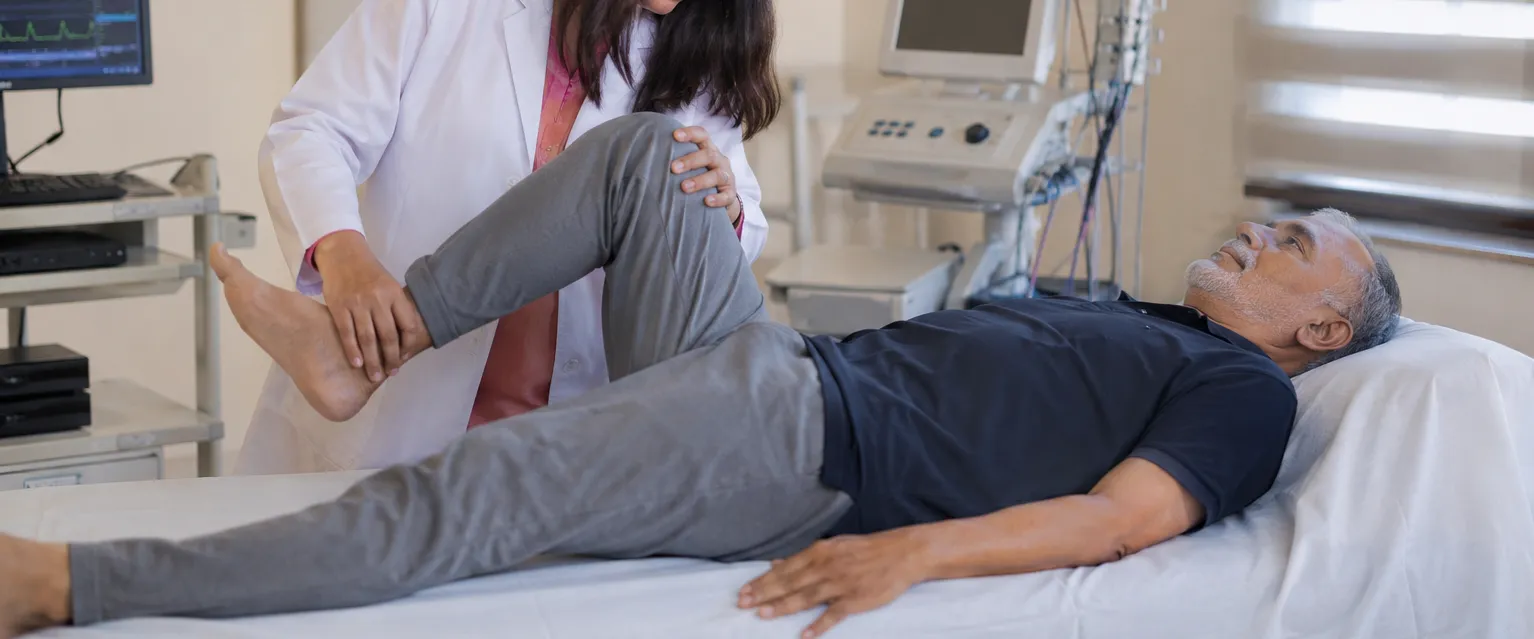
Muscle weakness, persistent numbness, difficulty walking, frequent muscle cramps, or unexplained fatigue are symptoms that should never be ignored. While these problems may appear to be related to aging or overexertion, they can sometimes indicate disorders affecting the muscles, nerves, or the connection between them. Visiting a neuromuscular clinic allows patients to receive specialised evaluation for conditions that are often difficult to diagnose through routine medical examinations alone.
Neuromuscular disorders can affect people of all ages and vary widely in severity. Some conditions progress slowly over several years, while others require prompt medical attention to prevent complications. Understanding how a neuromuscular clinic works and when to seek specialist care can help patients receive an earlier diagnosis and more personalized treatment.
What Is a Neuromuscular Disorder?
Neuromuscular disorders affect the nerves that control muscle movement, the muscles themselves, or the junction where nerves communicate with muscles. Because these structures work together to produce movement, damage to any one of them can lead to weakness, reduced coordination, and difficulty performing everyday activities.
Common neuromuscular conditions include:
- Peripheral neuropathy
- Myopathy
- Motor neuron disease
- Myasthenia gravis
- Muscular dystrophy
- Inflammatory muscle diseases
- Certain inherited neuromuscular disorders
Each condition requires a different treatment approach, making accurate diagnosis essential.
Symptoms That May Require a Neuromuscular Evaluation
Many neuromuscular disorders begin with subtle symptoms that gradually become more noticeable over time.
You should consider consulting a neurologist if you experience:
- Progressive muscle weakness
- Difficulty climbing stairs
- Frequent falls
- Muscle twitching
- Persistent muscle cramps
- Numbness or tingling in the hands or feet
- Difficulty swallowing
- Loss of grip strength
- Fatigue that worsens with activity
- Difficulty lifting the arms or getting up from a chair
Persistent symptoms should always be evaluated, particularly if they interfere with work, mobility, or daily life.
What Happens During Your First Visit to a Neuromuscular Clinic?
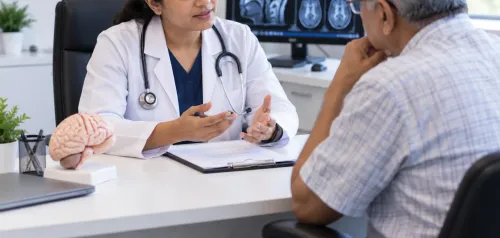
A consultation begins with a detailed discussion about your symptoms, medical history, family history, and lifestyle. Understanding when the symptoms started and how they have progressed often provides important clues about the underlying condition.
The neurologist then performs a comprehensive neurological examination, assessing:
- Muscle strength
- Reflexes
- Sensory function
- Muscle tone
- Coordination
- Balance
- Walking pattern
- Cranial nerve function
This examination helps identify whether the problem originates in the muscles, peripheral nerves, spinal cord, or brain.
Diagnostic Tests That May Be Recommended
Depending on the clinical findings, additional investigations may be advised to confirm the diagnosis.
These may include:
- Electromyography (EMG)
- Nerve conduction studies
- MRI of the brain or spine
- Blood investigations
- Muscle enzyme testing
- Genetic testing in selected cases
- Muscle biopsy when clinically indicated
These tests are selected based on the patient's symptoms and examination findings rather than being performed routinely.
How Are Neuromuscular Disorders Treated?
Treatment depends on the specific diagnosis and the severity of symptoms. Some conditions are treatable, while others require long-term management to slow progression and improve quality of life.
A treatment plan may include:
Medication
Medicines may be prescribed to manage inflammation, improve nerve-muscle communication, reduce muscle stiffness, or relieve associated symptoms depending on the diagnosis.
Physiotherapy
Regular physiotherapy helps maintain muscle strength, improve flexibility, reduce stiffness, and preserve mobility.
Occupational Therapy
Occupational therapists recommend techniques and assistive devices that make everyday activities easier and safer, allowing patients to remain independent for longer.
Nutritional Guidance
Certain neuromuscular disorders benefit from nutritional support, particularly when swallowing difficulties or muscle loss affect overall health.
Ongoing Monitoring
Many neuromuscular conditions require periodic follow-up so treatment can be adjusted according to changes in symptoms or disease progression.
Why Early Diagnosis Is Important
One of the biggest challenges with neuromuscular disorders is that symptoms are often mistaken for fatigue, arthritis, or normal aging. Delaying specialist evaluation may allow the condition to progress before appropriate treatment begins.
Early diagnosis can help:
- Identify treatable neurological conditions
- Prevent avoidable complications
- Improve mobility and muscle function
- Reduce disability
- Support better long-term quality of life
Even when a condition cannot be cured, early intervention often leads to better symptom management and improved independence.
When Should You Visit a Neuromuscular Clinic?
You should arrange a neurological consultation if muscle weakness, numbness, balance problems, or muscle cramps continue for several weeks or progressively worsen.
Specialist evaluation is particularly important if you notice:
- Weakness affecting both arms or legs
- Difficulty walking without support
- Muscle wasting
- Frequent falls
- Difficulty swallowing
- Persistent muscle twitching
- Symptoms affecting daily activities
For residents of Byculla, specialised neurological care is available for patients experiencing muscle and nerve disorders. Dr. Jharna P. Mahajan, a consultant neurologist with expertise in neuromuscular disorders, provides comprehensive evaluation through detailed neurological examination and advanced neurodiagnostic investigations to identify the underlying cause before recommending an individualised treatment plan.
A neuromuscular clinic offers far more than symptom management, it provides a structured approach to diagnosing complex muscle and nerve disorders with precision. Seeking specialist care early can improve diagnostic accuracy, guide appropriate treatment, and help patients maintain mobility, independence, and a better quality of life over the long term.
Keywords